 humankind· Sep 8, 2026
Revolutionary Mental Health: Sobriety as a Journey, Not a Destination—Tim Lang on What AA Doesn't Tell You
Debbie Nelson and Tim Lang get raw about recovery—from blood sugar crashes to vibroacoustic sound therapy. This isn't your typical sobriety talk.
 ▶ Watch this episode on humankind
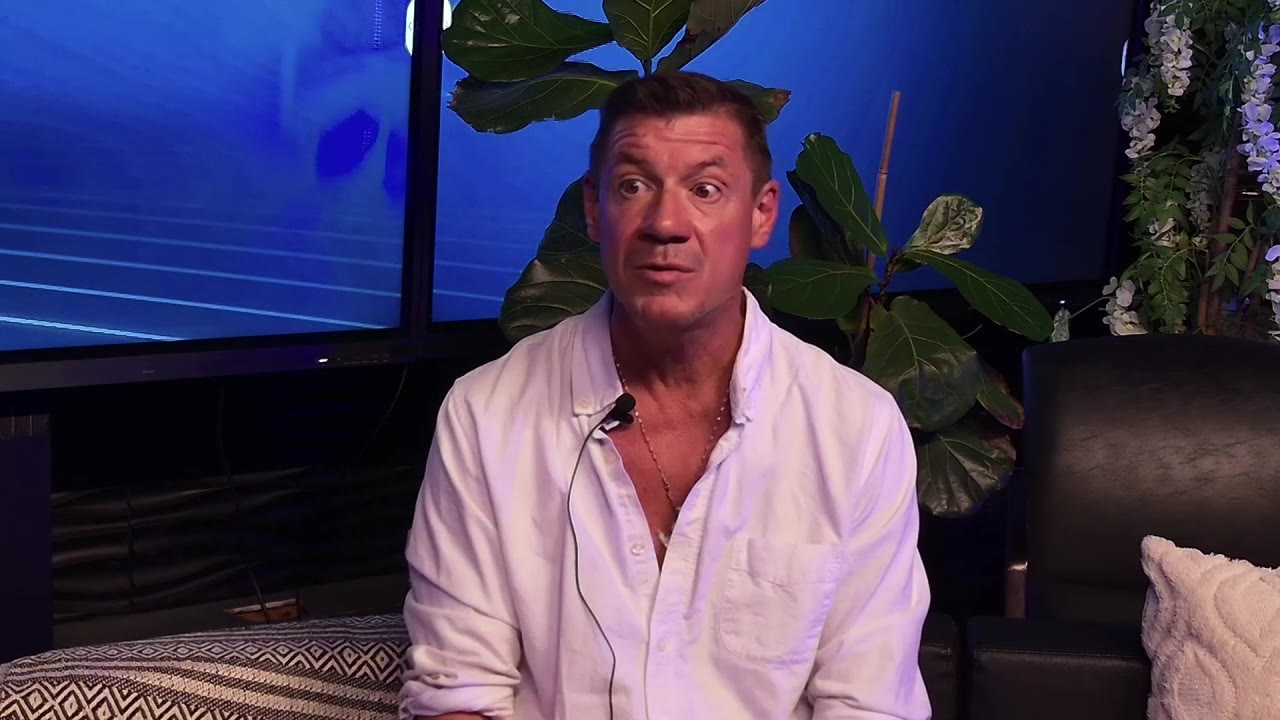
In the second episode of Revolutionary Mental Health, host Debbie Nelson sits down with Tim Lang—friend, recovery coach, and practitioner of over 30 healing modalities—for a conversation that defies every script you've ever heard about sobriety.
"It's not all hunky-dory every day, even though I try and make it an A++ day," Debbie says early in the episode. "There are times when you feel like you're in a slump, and yeah, I've got some sobriety, but what do I do when s**t hits the fan and I really get depressed?"
What If Blood Sugar—Not Willpower—Is the Real Problem?
Tim gets specific fast. "96% of all people that have addiction issues have blood sugar-related issues," he says, recounting his own pattern: coffee all morning, no food until 3 p.m., then a crash—and a bottle of wine. Eventually two bottles. Eventually vodka.
"I'd buy really cheap vodka, and I kept it in my store," he recalls. "And probably one of the last demises that I'd had was that demise when I'd woke up realizing I didn't remember I'd even started to drink something. My whole window of my store was broken down, and the police had been called."
But here's the twist: it wasn't just about the alcohol. It was about the fact that his body was starving—literally—for fuel. "When you're starting a recovery and you're craving, and your blood sugar is low, you go back to what has always been available, which are refined sugars and sweets," Tim explains. "It's everywhere. You just go to your gas station."
His solution? A two-day fast to reset metabolism, followed by raw fruits, vegetables, and protein—no refined sugar. "No, I do not need this. No, I don't even really want it," he says of the shift that happens when you break the cycle.
Debbie nods in recognition. "I was setting myself up for the bottle of wine at 5:00 at night. I was setting myself up."
What Does a Session with Tim Lang Actually Look Like?
If you're picturing a couch and a box of tissues, think again. Tim's sessions are immersive, multi-sensory experiences that sound more like a concert than therapy.
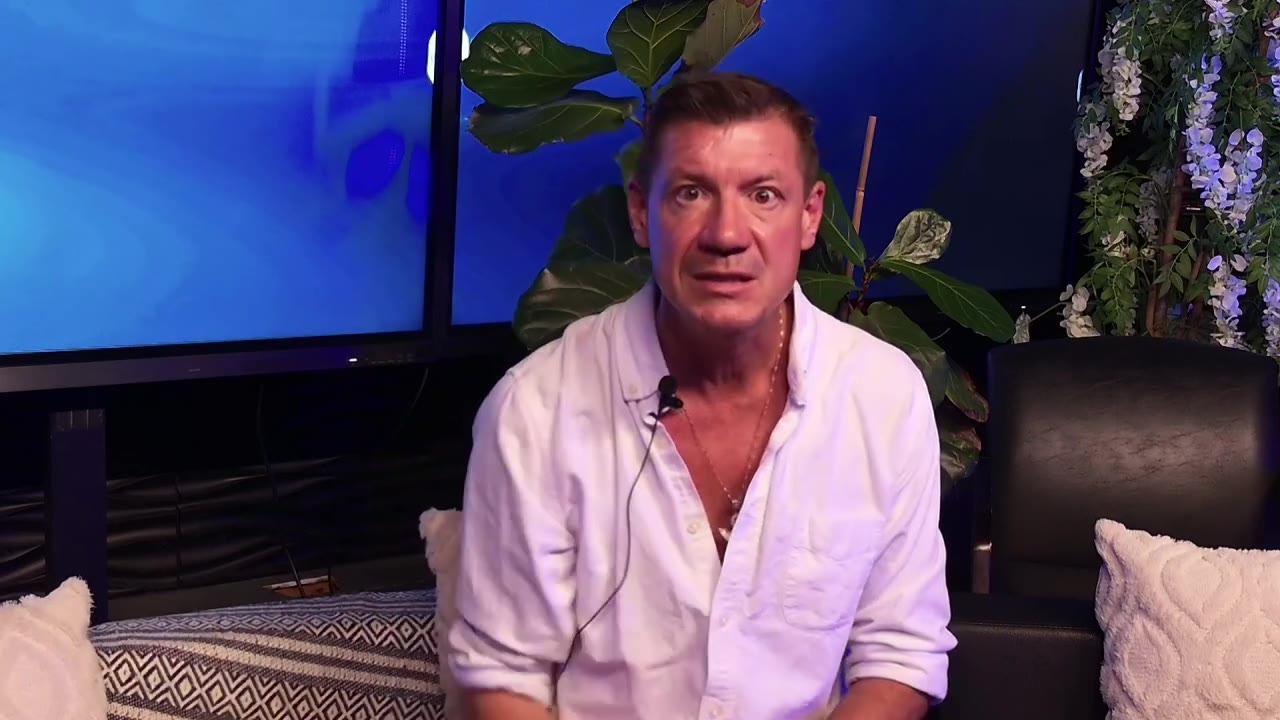
"We have an Easy button," Tim says, referring to the Staples office prop. "You just hit it, 'That was easy.' There's this thing that you want to have throughout a session, like these are easy fixes. Your body, your mind already knows that these are natural, easy, simple ways to change the way that you think."
But the centerpiece is his vibroacoustic sound lounge—a piece of equipment that lets you feel music, not just hear it. "You are engrossed in the low-frequency therapy of the bass of the music, but you're hearing it, and it's evoking these emotions," Tim explains. Add in a lamp that strobes kaleidoscopic LED light patterns, and you've got what one client described as "better than all the drugs combined."
"My client today is like, 'Dude, I've done so many drugs in the past in Seattle, and this was by far better than all of them combined.' And he didn't even ingest anything. It was a light therapy," Tim says.
Other options in a session might include far-infrared sauna, cold plunge, inversion table, breathwork, or even hapé—a nasal spray made from Amazonian tobacco and botanicals. "It burns like hell," Tim admits. "But she opted to do that... and it was so profound because they never tried it before."
Watch the full episode to hear more about the 30+ modalities Tim weaves into his work.
Why Do So Many People Relapse—Even After Years of Sobriety?
Debbie and Tim don't sugarcoat it: the standard recovery playbook isn't enough for everyone. "There's three things they shift to," Tim says. "Rock stars, caffeine, vaping, cigarettes, and sugar. Why? It's because it keeps the frontal lobe of the brain preoccupied, and it's a tiny pacifier."
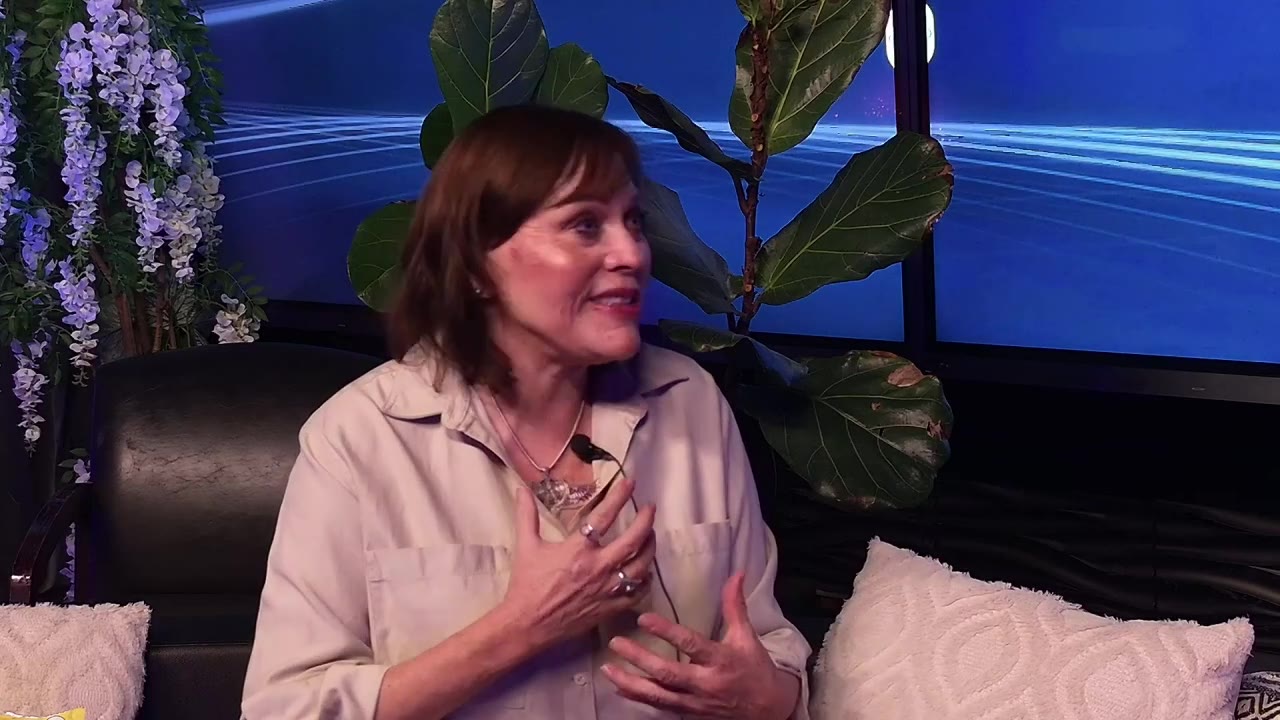
The conversation turns to triggers—those moments when, as Tim puts it, "you get a case of the f**k its." His advice? Stand up. Raise your hands. Hold them there. "You repeat a simple mantra, 'I'm good. I'm good. I'm awesome. I can do this.' And in a couple of minutes, your levels of adrenaline and testosterone are naturally raising," he says. "You're going to come across more confident."
Debbie adds her own toolkit: "For me, I start with the nutrition. I do the orthomolecular protocols. I'm really big into energy and meditation." She also leans into community—Meditation Mondays at Humankind Center, sound healing, tapping, shamanic therapies. "I pop in here to go Meditation Monday. It's a staple anytime I'm in town, I'm here."
And when the cravings hit? Glucosamine under the tongue. Sunflower seeds. An apple. A hike—preferably with a friend, at least in early sobriety. "A lot of people are like, 'Oh, I'm going to go climb to the top of that hill and smoke a joint or drink a beer. That's my reward,'" Tim says. "But it still never really got me anywhere."
Both agree: the goal isn't perfection. It's having a list—people to call, places to go, activities to do—so when you feel vulnerable, you don't fall.
"Don't give up if it's not the method in which got you the results you wanted," Debbie urges. "Keep trying. Your soul is reaching out to what do we need to do to get better? And everyone's different."
Tim echoes her: "Don't be afraid to reach out and be vulnerable because you're not going to go to jail by just speaking out of where you are weak. We all have those. The first step is to admit that we are somewhat powerless over our addictive behaviors."
He pauses. "I will respect you even more when you are vulnerable and you speak the truth."
Watch the full Revolutionary Mental Health episode with Debbie Nelson and Tim Lang to dive deeper into blood sugar hacks, psychedelic-like sound therapy, and why sobriety isn't one-size-fits-all.
Become a paid member and support humankind
Online members get access to member-only content and live streams.
Full members get access to all humankind in-person events and online content.